
Inside a Sudanese Wedding: Culture, Elegance, and Celebration
If you have never stood in a room thick with the scent of burning khumra and bakhour, surrounded by a chorus of rhythmic zaghareet (ululations) that make the air vibrate, you haven't truly experienced a celebration. A Sudanese wedding is more than a celebration of two people joining in marriage; it is a vibrant cultural experience deeply rooted in family, tradition, music, hospitality, and community values. Across Sudan, weddings are known for their warmth, elegance, and joyful atmosphere, blending ancient customs with modern influences. A traditional Sudanese wedding is not just a single-day event; it is a multi-day cultural masterpiece. Filled with deeply rooted rituals, rhythmic beats of the Daluka (traditional drum), the sweet aroma of Khumra (indigenous perfumes), and intense bursts of color, a Sudanese wedding blends ancient Nubian heritage with Islamic traditions.
From the colorful pre-wedding rituals to the energetic dances and elaborate feasts, every stage of a Sudanese wedding reflects the country’s rich heritage and strong sense of togetherness. If you have ever wondered what makes these celebrations so legendary, here is a breakdown of the fascinating journey of a traditional Sudanese wedding.
The Pre-Wedding Rituals
One of the most significant aspects of a Sudanese wedding is the involvement of the extended family. Marriage is often viewed as the union of two families rather than simply two individuals. Preparations usually begin weeks or even months before the actual ceremony. Families gather to discuss arrangements, exchange gifts, and organize celebrations. Elders play an important role in approving the marriage and guiding the younger generation through traditional customs. Respect for parents and relatives is central to Sudanese culture, and weddings become a moment where family bonds are strengthened and celebrated.
The engagement ceremony, often called the “khitbah,” marks the formal agreement between the two families. During this event, the groom’s family visits the bride’s home bearing gifts such as perfumes, fabrics, jewelry, sweets, and sometimes livestock, depending on local customs. The bride is typically dressed elegantly in colorful Sudanese attire, while relatives and friends gather to celebrate the upcoming union. Traditional Sudanese tea and coffee are served, symbolizing hospitality and generosity, values that are deeply cherished throughout Sudanese society.
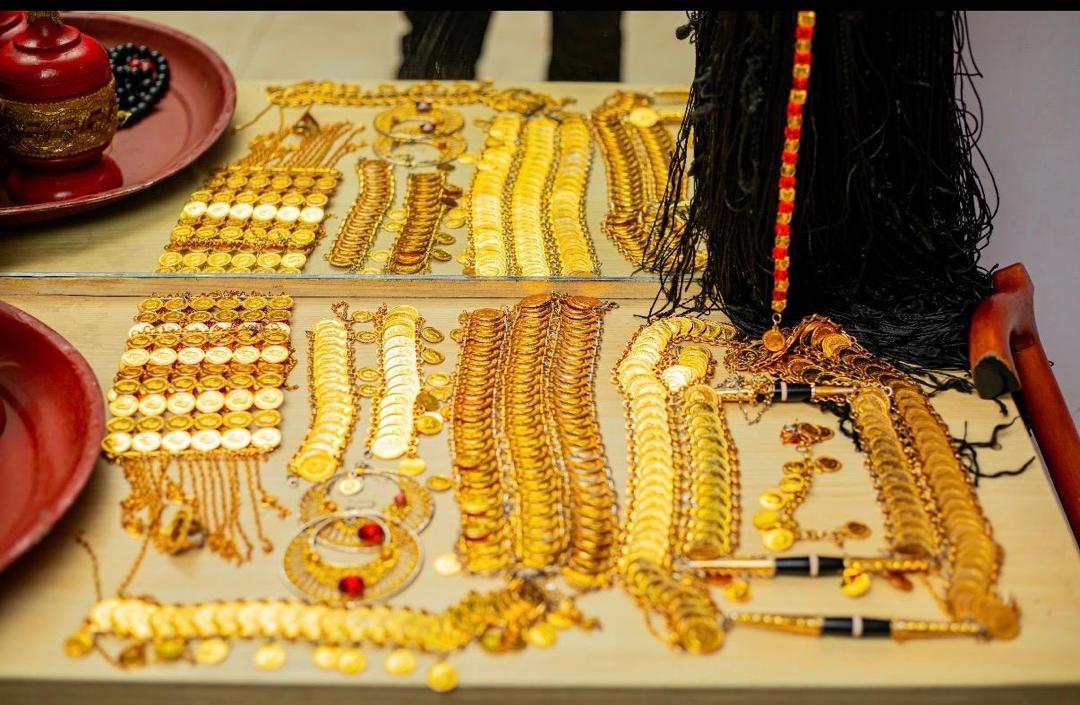
As the wedding day approaches, the bride undergoes several beauty rituals that are unique to Sudanese culture.
The Art of Sudanese Henna: Patterns of Joy
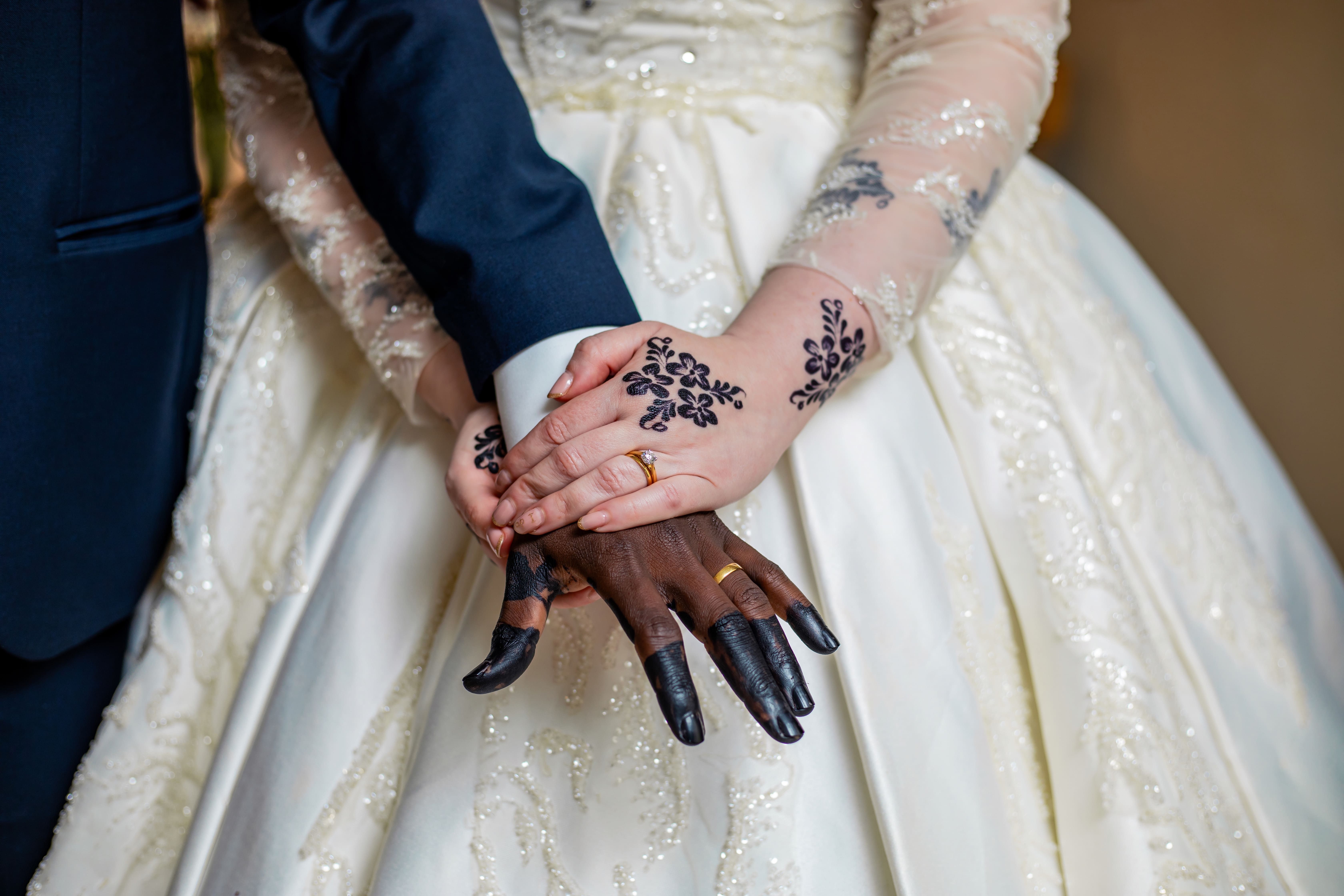
One of the most famous traditions is the application of henna. Far more than a simple beauty treatment, the application of henna is an ancient, joyous ritual that transforms the bride’s hands and feet into stunning canvases of cultural identity. Sudanese bridal henna is instantly recognizable for its bold, striking aesthetic: it features a striking contrast of deep, near-black floral motifs and dense geometric lines intricately woven against the skin.
The Laylat al-Henna (Henna Night) is where the true visual magic of a Sudanese wedding begins. Female relatives and friends gather for a joyful henna night where intricate patterns are painted on the bride’s hands and feet. The event is filled with singing, dancing, ululations, and traditional music played on drums.
The Bridal Smoke Bath (Dukhan)
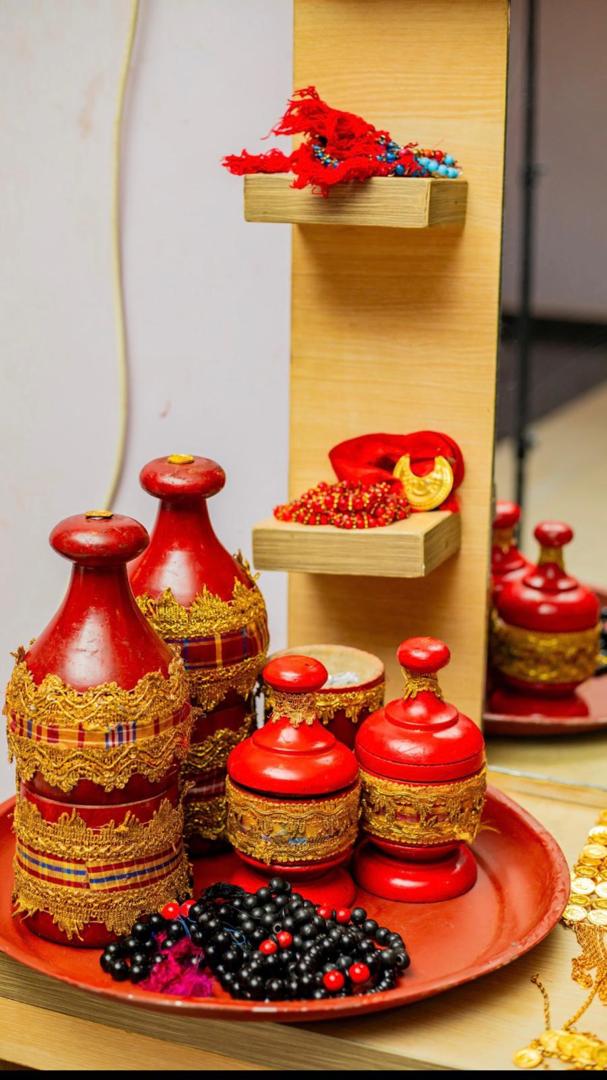
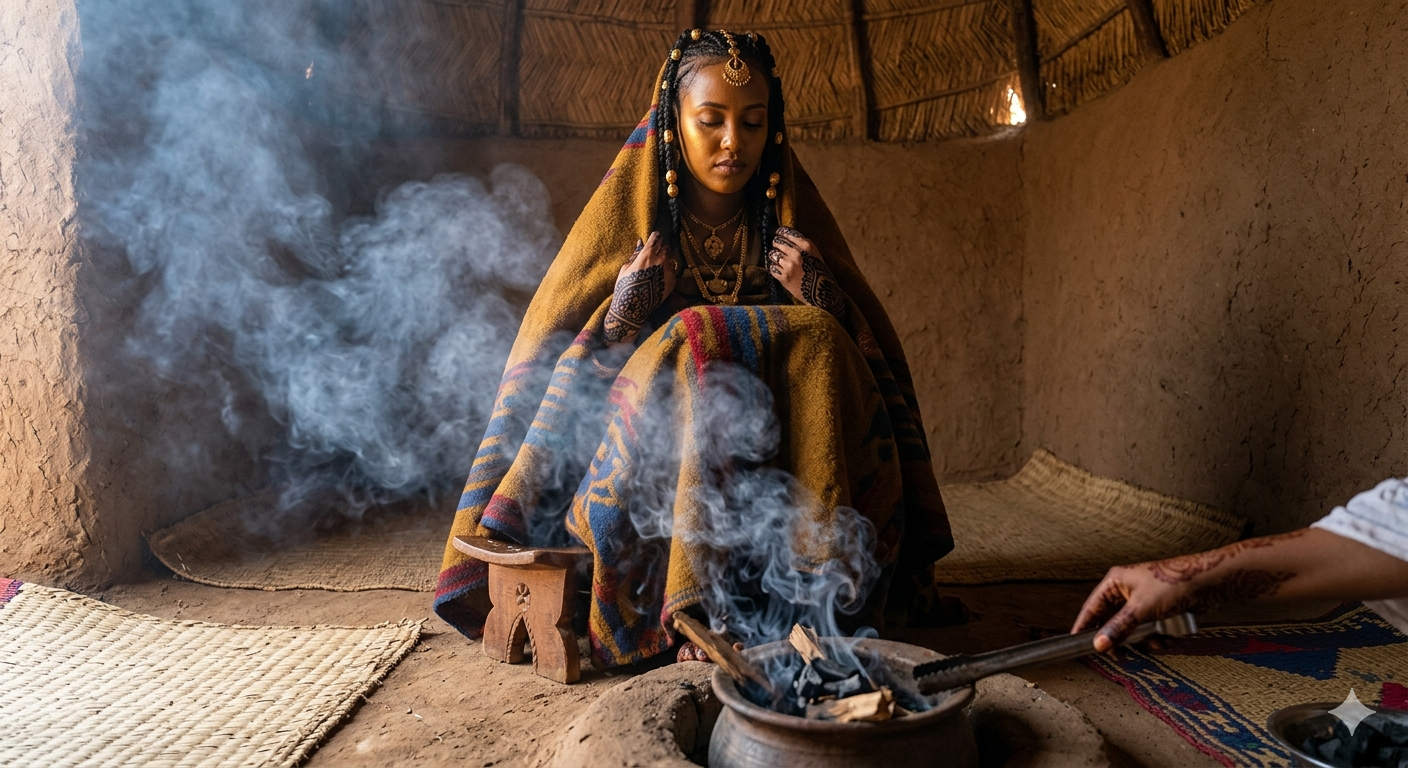
Another distinctive feature of Sudanese weddings is the traditional bridal beauty treatment known as “dukhan.” Weeks before she ever steps into her wedding dress, a Sudanese bride begins her transformation through dukhan (literally meaning "smoke"), an ancient and deeply intimate beauty ritual inherited from the ancient kingdoms of Nubia.
This ancient practice involves perfuming and softening the bride’s skin using aromatic wood smoke and natural oils. In the privacy of a women-only space, a specialized pit or clay pot is prepared in the ground, stoked with glowing charcoals and layered with pieces of highly aromatic woods derived from acacia and sandalwood trees. After coating her body in karkar (a rich, traditionally scented oil), the bride strips completely naked and sits on a specially designed stool over the fuming wood, wrapping herself tightly from head to toe in a thick, heavy blanket called a shamla. Trapped inside this personal, intensely heated capsule, her skin absorbs the billowing, perfume-laced smoke. Over several weeks of repeating this ritual without taking standard water baths, the smoke naturally detoxifies her body, relaxes her muscles, and leaves her skin deeply exfoliated with a gorgeous, radiant, sun-kissed golden hue.
Wedding Day
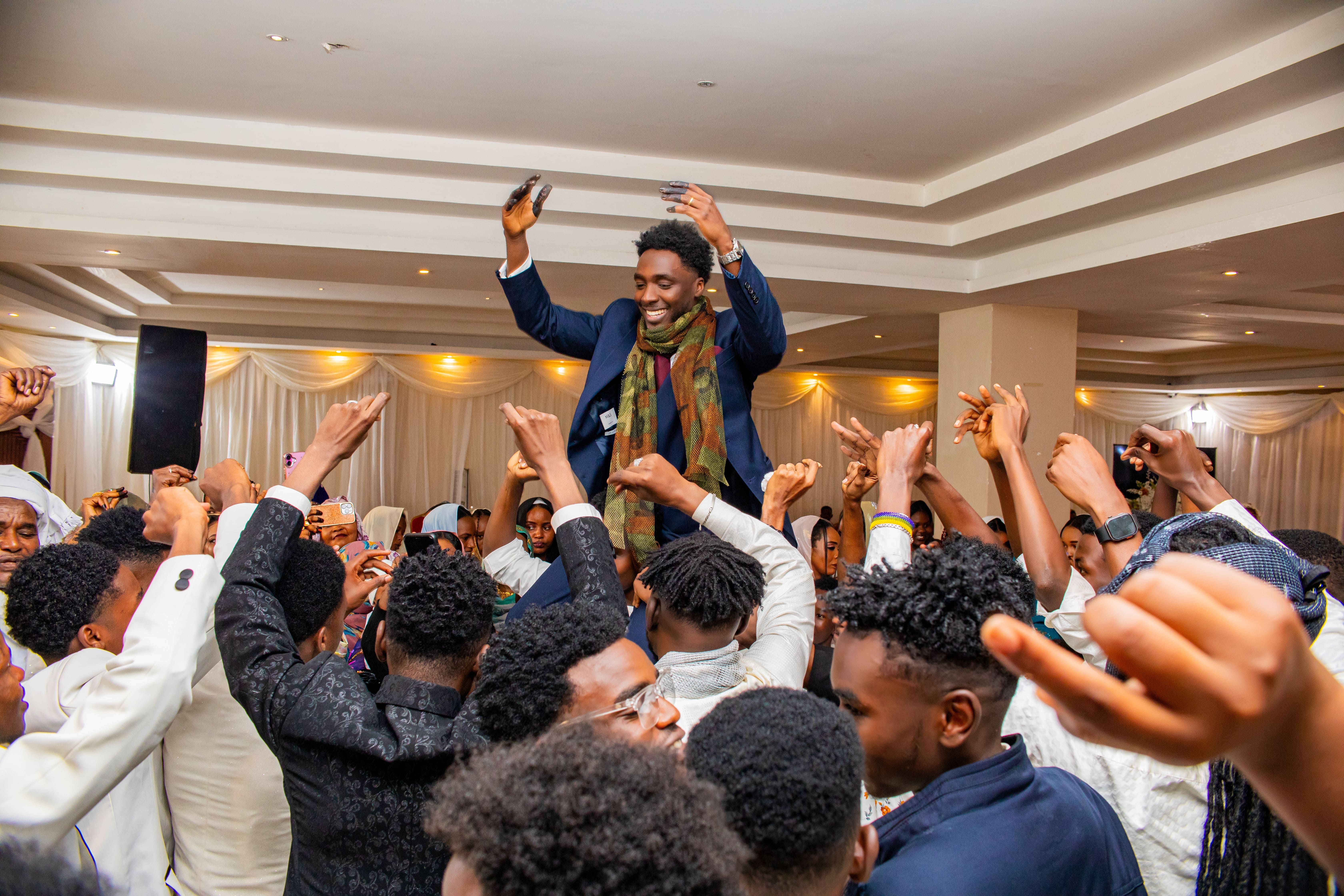
A typical Sudanese wedding is notoriously late-night, high-energy, and operates on its own unique cultural timeline. If you look at a standard wedding invitation card, it will almost always state a late afternoon start time, usually around 4:00 PM or 5:00 PM. However, seasoned wedding guests know not to expect the main action to happen that early. During these initial hours, the venue gates open, the live band sets up, and the music begins to play as guests slowly trickle in to mingle, take photos, and secure good seats. The celebration truly shifts into high gear and feels packed with energy around nightfall, typically between 7:30 PM and 8:30 PM. The primary reason for this relaxed early schedule is that the star couple does not make an early appearance. The bride and groom typically plan their spectacular grand entrance into the main reception hall for much later in the evening, usually between 9:30 PM and 10:00 PM. By the time they arrive, the venue is completely packed, the energy is at an absolute peak, and the entire crowd is primed to welcome them with dramatic *zaffa* (wedding processions), clapping, and high-pitched *zaghareet* (ululations).
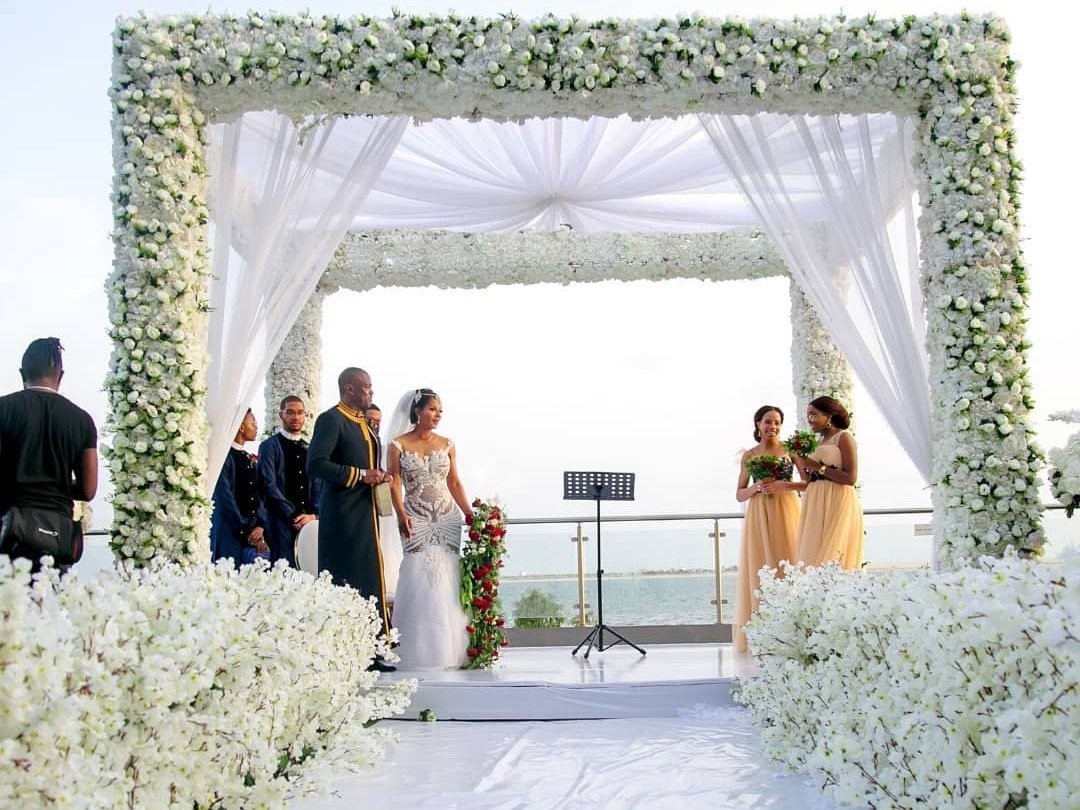
The bride usually wears a stunning white gown inspired by modern fashion while incorporating Sudanese cultural elements such as gold accessories and traditional perfumes. In some regions, brides may also wear the traditional “thobe,” a beautifully wrapped fabric known for its vibrant colors and elegant embroidery. The groom commonly dresses in a formal suit or traditional white jalabiya with a turban, reflecting Sudanese identity and pride.
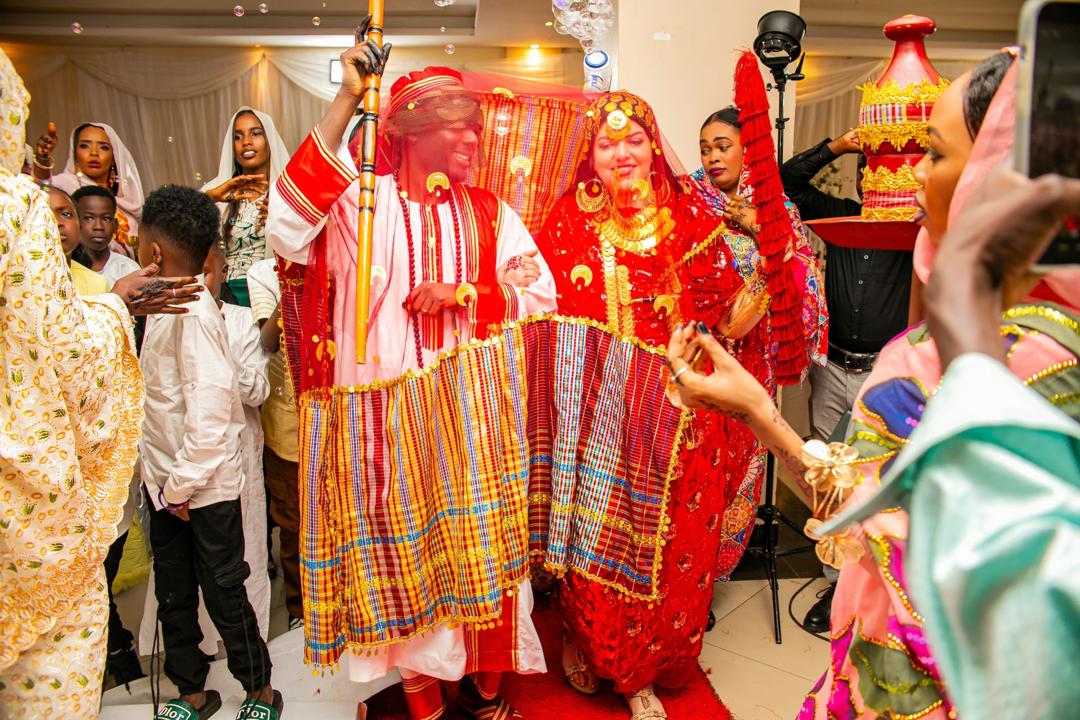
Music and dance are essential elements of the celebration. Traditional Sudanese songs fill the venue as guests clap rhythmically and dance together. Drumming creates a powerful atmosphere that encourages participation from everyone present. One popular aspect of Sudanese weddings is the women’s dance performances, where graceful movements and expressive gestures showcase cultural pride and joy. Singing often includes poetic lyrics about love, beauty, and blessings for the newly married couple.
Because the newlyweds arrive so late, the major highlights of a Sudanese wedding are pushed deep into the late-night hours.
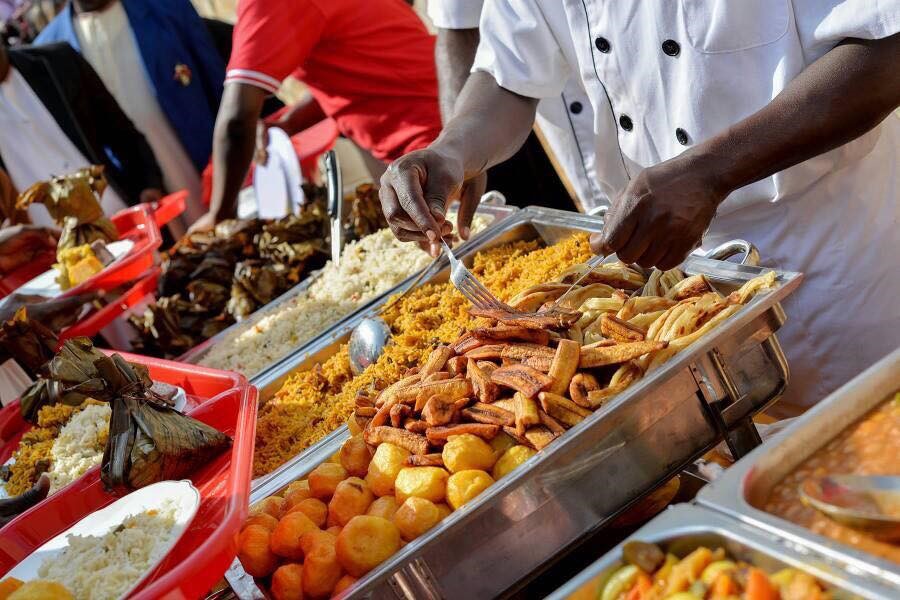
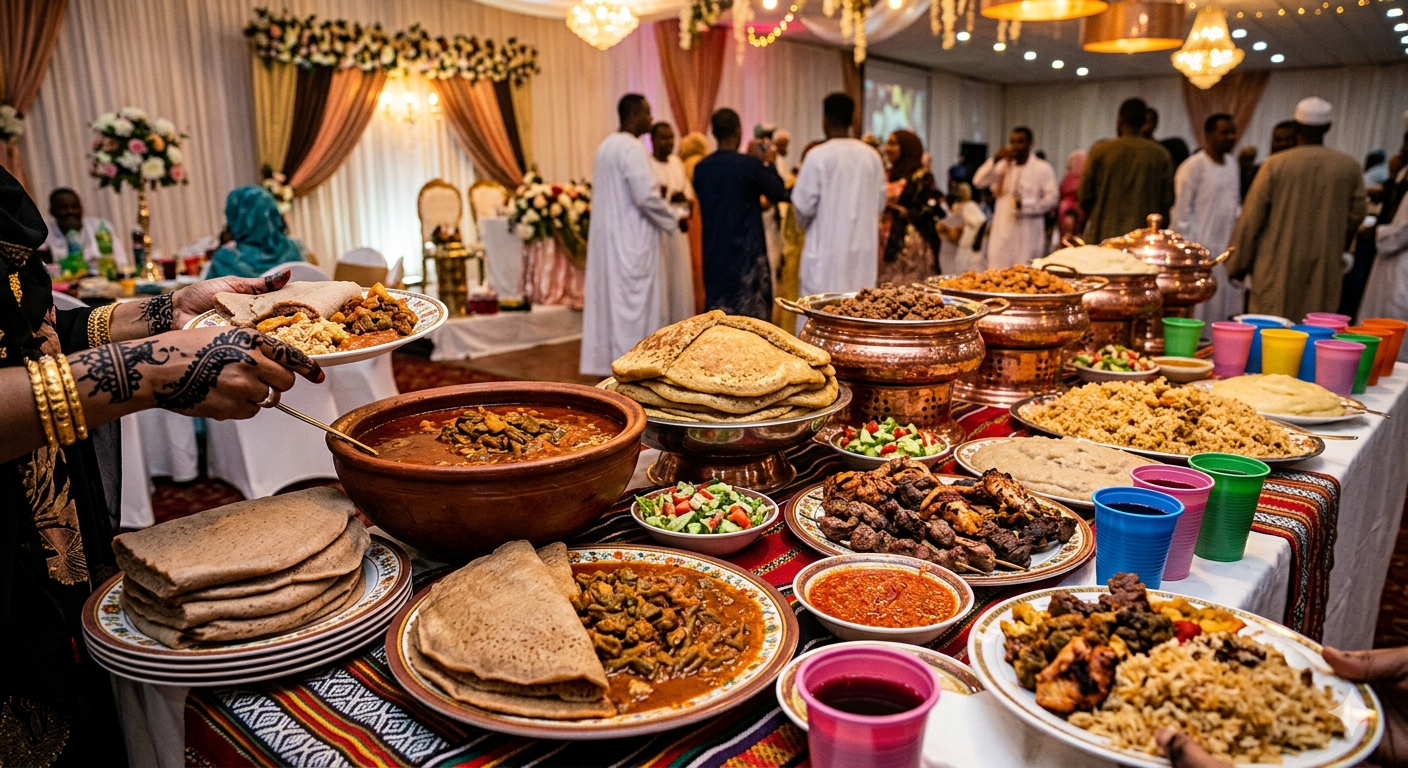
At a Sudanese wedding, food is not just a meal; it is a profound expression of hospitality and communal joy where no guest is ever left unsatisfied. Guests are treated with exceptional generosity, as hospitality is considered a sacred duty in Sudanese culture. The grand dinner feast is usually served immediately after the couple's arrival, stretching the dining experience late into the night. Large platters of traditional dishes such as kisra (fermented flatbread), aseeda (dense dough) served alongside rich savory stews plus roasted meats, and richly spiced rice are served to family and friends. Sweet desserts and fresh juices accompany the meal, while Sudanese coffee and tea are offered throughout the celebration. Sharing food symbolizes unity, abundance, and gratitude.
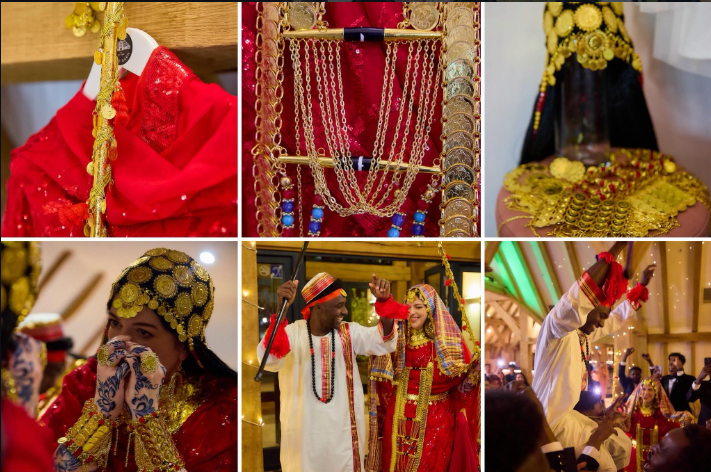
Following dinner, highly anticipated traditions like the *Raqs al-Aroos* (the Bride's Dance) typically kick off close to 10:30 PM or 11:00 PM. Furthermore, if the deeply cultural, royal red-and-gold *Jirtik* ritual is being held on the same night as the main reception, it acts as the ultimate after-party, often starting well after midnight and wrapping up as late as 1:00 AM or 2:00 AM.
What makes Sudanese weddings truly remarkable is the strong sense of community they create. Neighbors, friends, and relatives often contribute to organizing the event, whether through cooking, decorating, singing, or helping guests. Weddings become a collective celebration where everyone feels connected to the happiness of the couple. The atmosphere is filled with laughter, blessings, and emotional moments that remain in memory for years.
In modern times, Sudanese weddings have evolved by incorporating contemporary styles, luxury venues, and international fashion trends. However, despite these changes, many traditional customs remain proudly preserved. Young Sudanese couples continue to honor their heritage by blending modern elegance with ancestral traditions. This balance between tradition and modernity gives Sudanese weddings their unique charm and cultural richness.
Ultimately, a Sudanese wedding is a beautiful expression of love, respect, family unity, and cultural identity. Every ritual, song, and gathering carries deep meaning, connecting generations through shared traditions and joyful celebration. Whether held in a village surrounded by extended family or in a modern city hall filled with glamorous decorations, Sudanese weddings continue to reflect the beauty and resilience of Sudanese culture.